




Small Edge Banding Mistakes Can Ruin the Whole Furniture
Many furniture manufacturers spend thousands on boards, machines, and laminates, but try to save money on PVC edge banding. This is one of the biggest mistakes in furniture production.
Poor-quality edge banding can cause trimming problems, weak bonding, color mismatch, and customer complaints. In many cases, the problem is not the machine – it is the wrong material choice.
If you want clean finishing, strong edges, and professional results, you must avoid common buying mistakes when choosing PVC edge banding.
Here are the top 10 mistakes buyers make and how to avoid them.
1. Choosing Price Instead of Quality
The cheapest edge banding often causes the highest cost later.
Low-quality material may cause:
- Cracking during trimming
- Poor glue bonding
- Color fading
- Uneven thickness
Always check quality, not only price.
Good edge banding should have stable size, smooth surface, and strong flexibility.
2. Ignoring Thickness Tolerance
Thickness must be accurate for clean trimming.
If tolerance is not controlled, you may see:
- Rough edges
- Over-cutting
- Glue lines
- Machine vibration
Professional PVC edge banding usually keeps tolerance very small to ensure smooth finishing.
Stable thickness = stable production.
3. Buying the Wrong Thickness
Not every project needs the same thickness.
Common mistakes:
- Using thin band for heavy furniture
- Using thick band on weak machines
- Wrong size for panel
General guide:
- 4-0.8 mm → light furniture
- 1 mm → standard furniture
- 2 mm → heavy use furniture
- 3 mm → commercial projects
Choosing the correct thickness improves durability and appearance.
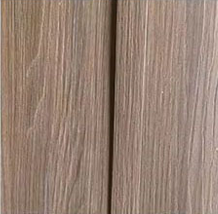
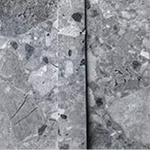
4. Not Checking Color Matching
Color difference is one of the biggest complaints.
Problems happen when:
- Matching only by photo
- Not checking gloss level
- Ignoring texture
- Using different suppliers
Always match real panel samples.
Good color matching should include:
- Color tone
- Grain pattern
- Gloss level
- Surface texture
Perfect matches make the edge invisible.
5. Ignoring Glue Compatibility
Different machines use different glue types.
Edge banding must work with:
- EVA glue
- PUR glue
- Hot melt systems
If the back surface is not prepared correctly, you may get:
- Weak bonding
- Edge lifting
- Glue line showing
Always confirm glue compatibility before buying.
6. Not Checking Flexibility
Good PVC edge banding must bend without cracking.
Poor flexibility causes:
- Breaking during trimming
- White edges
- Corner damage
- Difficult installation
Test before buying:
- Bend the strip
- Heat test
- Trim test
Flexible material gives better finishing.
7. Ignoring Width Accuracy
Width must match panel thickness.
Wrong width causes:
- Exposed board
- Extra trimming
- Uneven edges
- More waste
Standard rule:
Edge band width = panel thickness + trimming allowance
Accurate size saves time and material.
8. Buying From Unstable Suppliers
Different batches should look the same.
Bad suppliers may have:
- Color difference
- Thickness change
- Different formula
- Late delivery
Choose suppliers with:
- Stable production line
- Quality inspection
- Sample confirmation
- Export experience
Consistency is very important for furniture factories.
9. Skipping Sample Testing
Many buyers order directly without testing.
This can cause:
- Machine problems
- Poor trimming
- Weak bonding
- Color mismatch
Always test samples before bulk order.
Check:
- Color
- Thickness
- Flexibility
- Glue bonding
- Trimming result
Sample testing saves money.
10. Not Considering Final Application
Different furniture needs different edge banding.
Examples:
Application | Recommended type |
Kitchen cabinet | Thick & strong |
Office furniture | Standard |
Decorative panel | Thin |
Children furniture | Impact resistant |
Commercial furniture | Heavy duty |
Choose based on use, not only on cost.
Correct material gives a longer life and better appearance.
Smart Buying Means Better Furniture
PVC edge banding may look like a small detail, but it has a big effect on quality, durability, and appearance.
Avoiding these common mistakes helps you:
- Reduce production problems
- Improve finishing quality
- Save cost in the long term
- Keep customers satisfied
Before your next order, review your current edge banding and check if you are making one of these mistakes.
Fixing even one of them can improve your final product.