
Not all edge bandings are created equal. Here’s what matters most.
Choosing the right edge banding is more than matching colors. For manufacturers, it’s about ensuring durability, production efficiency, and customer satisfaction. Here are five critical factors to evaluate before placing your next order.
1. Material Compatibility
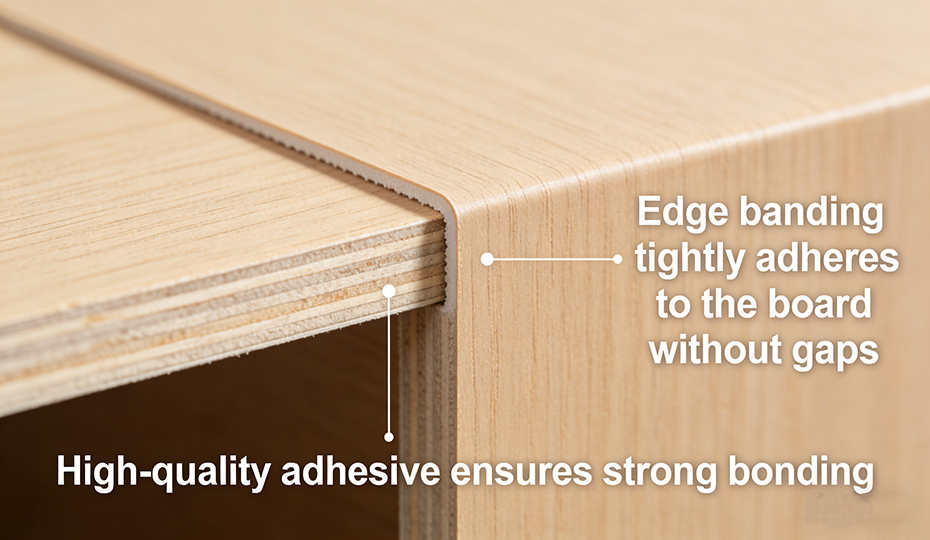
Your edge banding must bond perfectly with the substrate and adhesive. PVC works well with most hot melts, while ABS and PP may require specialized glues. Always test on your own production line.
2. Color Matching
Even slight color deviations can ruin a premium piece. Work with suppliers who offer color cards or digital matching tools to guarantee consistency across batches.
3. Thickness and Width
Thicker bandings (2–3 mm) provide impact resistance for high-wear areas like tabletops, while thinner options (0.4–1 mm) suit curved edges. Width should match your panel thickness exactly.
4. Surface Finish
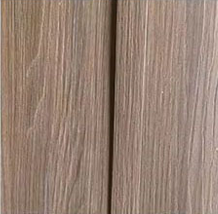
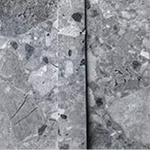
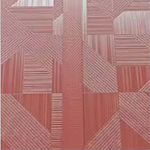
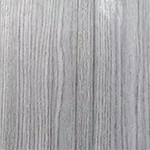
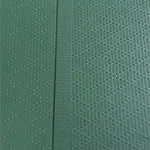
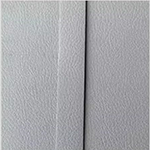
Gloss, matte, textured, or woodgrain—the finish defines the final look. Ensure your supplier offers the exact surface your clients demand.
5. Environmental Standards
If your market requires green certifications (e.g., GREENGUARD, CARB), choose bandings that are halogen-free, recyclable, or made with recycled content.