

Why Edge Banding Is More Than Just a Finishing Touch
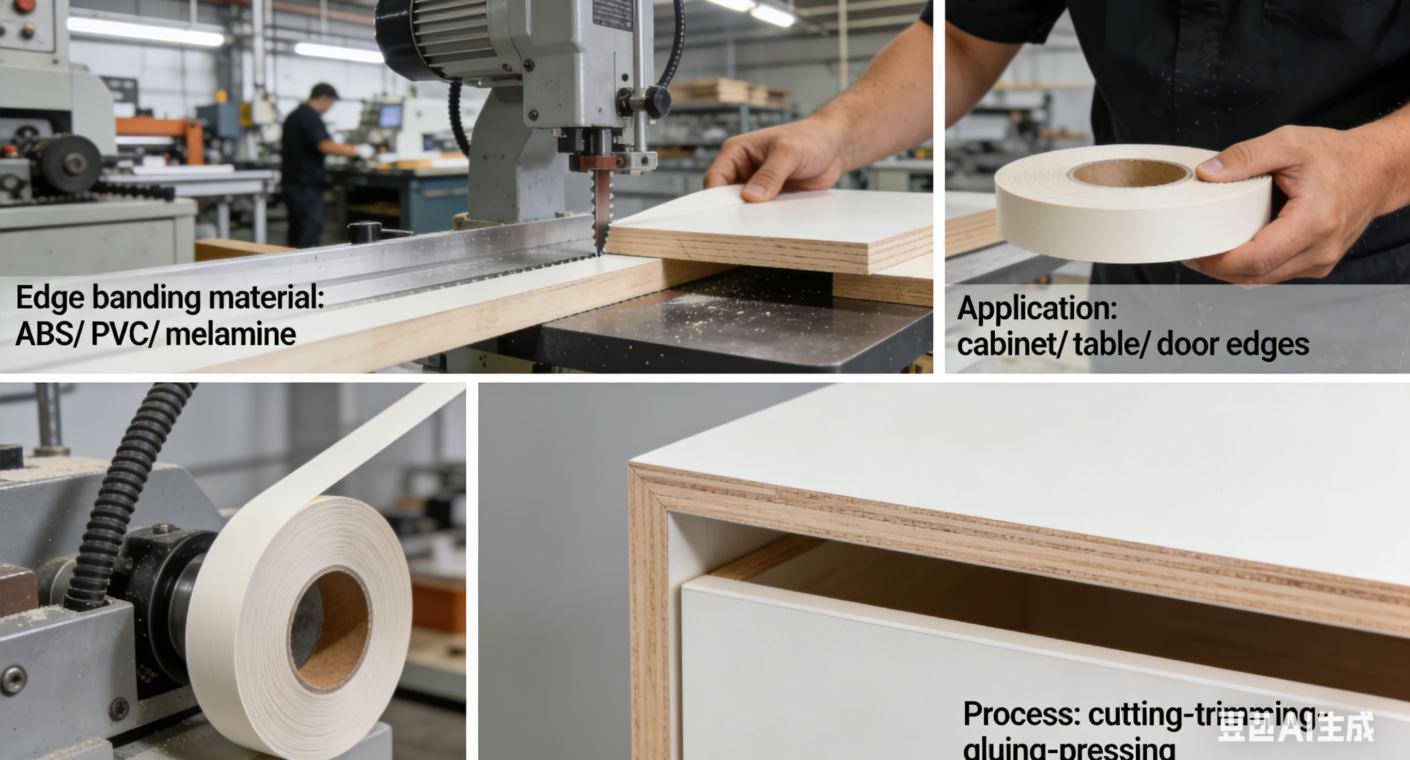
In the world of furniture manufacturing, every detail matters. From the choice of raw materials to the precision of assembly, each step contributes to the final product’s durability and aesthetics. Yet one component often overlooked—yet absolutely critical—is edge banding. This thin strip of material, applied to the exposed edges of particleboard or MDF, serves as both a protective shield and a design statement. As the industry moves toward higher quality and longer-lasting products, understanding the role of edge banding has never been more important.
Protection That Extends Product Life
The primary function of edge banding is to seal the core of panel materials. Without it, the edges of particleboard or MDF are vulnerable to moisture, impact, and wear. Over time, moisture absorption can cause swelling, delamination, and ultimately structural failure. Edge banding creates a barrier that locks out humidity and prevents physical damage, significantly extending the lifespan of furniture. In high-use environments such as offices, kitchens, and schools, this protection is indispensable.
Aesthetics and Design Freedom
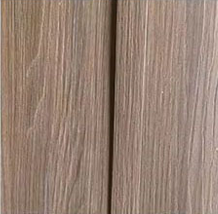
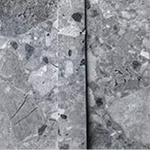
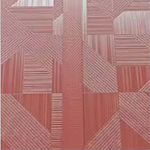
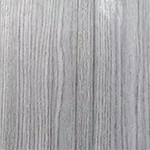
Beyond protection, edge banding plays a crucial role in achieving a seamless, finished look. Modern edge bandings are available in hundreds of colors, textures, and materials—from woodgrain replicas to high-gloss solids. They can be matched precisely with decorative surfaces, allowing designers to create furniture that appears monolithic and elegant. For brands that prioritize visual appeal, the right edge banding transforms a functional necessity into a design feature.
Sustainability Through Durability
In an era where sustainability is a competitive advantage, edge banding contributes by making furniture last longer. Products that remain in use for decades reduce the need for replacement and lower the overall environmental footprint. Additionally, many edge banding manufacturers now offer eco-friendly options, such as materials free from harmful substances or made with recycled content. By choosing quality edge banding, furniture makers can align with green building standards and meet the growing demand for responsible production.
Conclusion
Edge banding is far from a simple trim—it is a strategic component that influences durability, appearance, and sustainability. For manufacturers aiming to deliver furniture that stands the test of time and pleases the eye, investing in high-performance edge banding is a decision that pays dividends. As the industry continues to evolve, the humble edge band will remain an unsung hero, quietly ensuring that every piece of furniture performs as beautifully as it looks.